


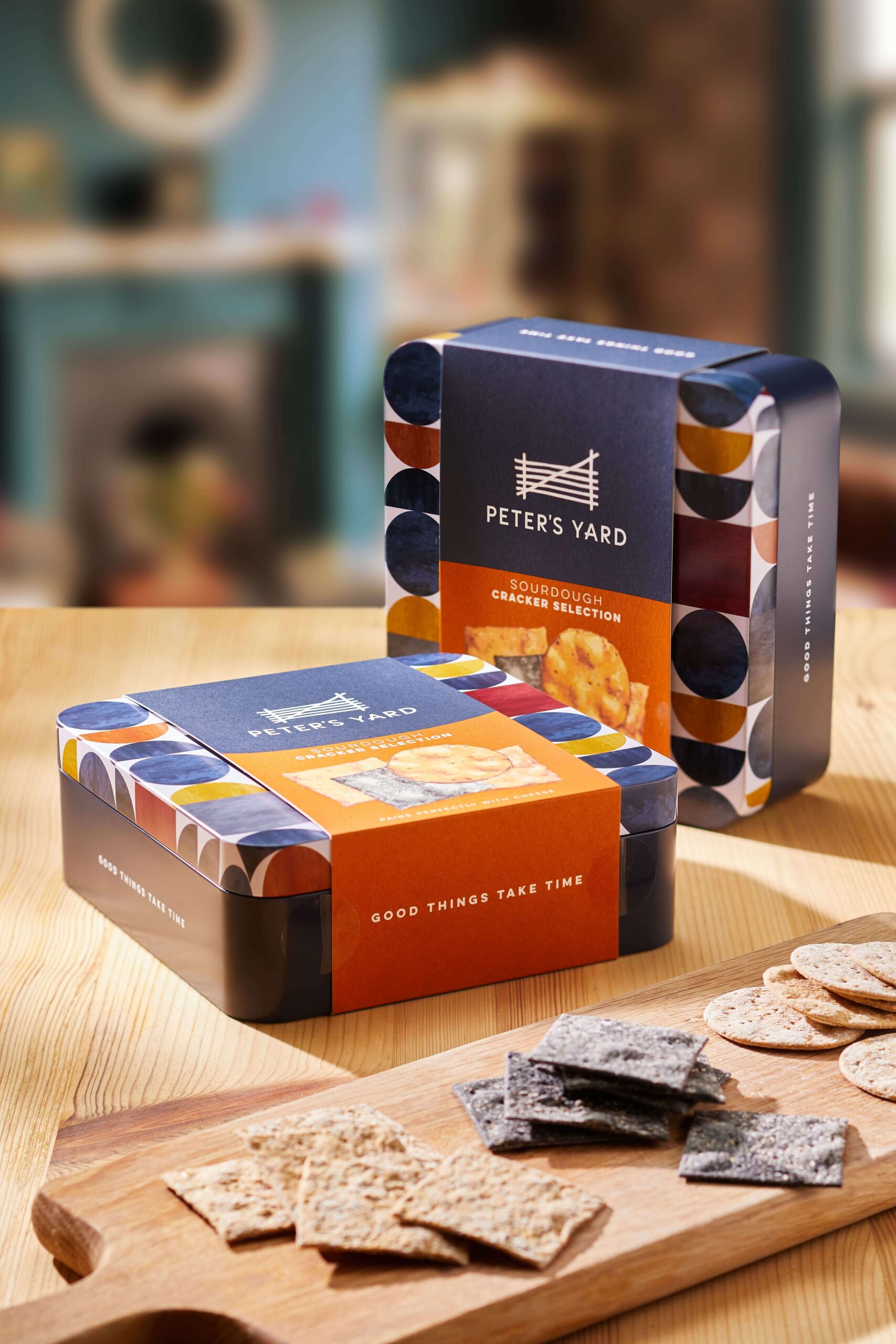
What Is Food-Grade Packaging and Why Does It Matter?
Food-grade packaging refers to materials that are safe for direct contact with food. These food-grade packaging materials are manufactured to comply with strict health and safety regulations and are designed to prevent harmful substances from migrating into food products.
In simple terms, food-grade packaging is designed to protect food without introducing substances that could make it unsafe for consumers when used correctly.
It’s important to note that food grade and food safe are not always the same thing. A packaging material may be food grade, but it also needs to be used appropriately for the specific product and storage conditions. For example, a carton may be suitable for dry foods stored at room temperature but unsuitable for freezing temperatures or for holding hot liquids.
When choosing food-grade packaging containers, businesses therefore need to consider both the material itself and how the finished packaging will be used throughout storage, transport and sale.
You can learn more about food-contact materials and food safety requirements from the UK’s Food Standards Agency and the European Commission’s guidance on food-contact materials:
Food Standards Agency (UK) – Food Contact Materials
European Commission – Food Contact Materials
Why Is Tin Packaging Widely Used for Food Products?
Tinplate is an excellent choice for food packaging and has been trusted by the food industry for decades. For brands looking for durable, attractive and practical tin packaging for food, it offers a number of important benefits.
Its benefits include:
- Food-grade material – Tinplate is suitable for direct contact with many food products when used with the appropriate internal coatings.
- Excellent barrier properties – Metal packaging protects products from light, oxygen and external odours, helping to preserve freshness and extend shelf life.
- Premium presentation – Consumers often associate tins with quality and luxury, making metal tins for food ideal for premium products and gift packaging.
- Reusability and sustainability – Beautifully designed food storage tins are frequently reused in the home, extending brand visibility and encouraging customer loyalty.
- Recyclability – Steel packaging is widely recycled and can be recycled repeatedly without losing its properties.
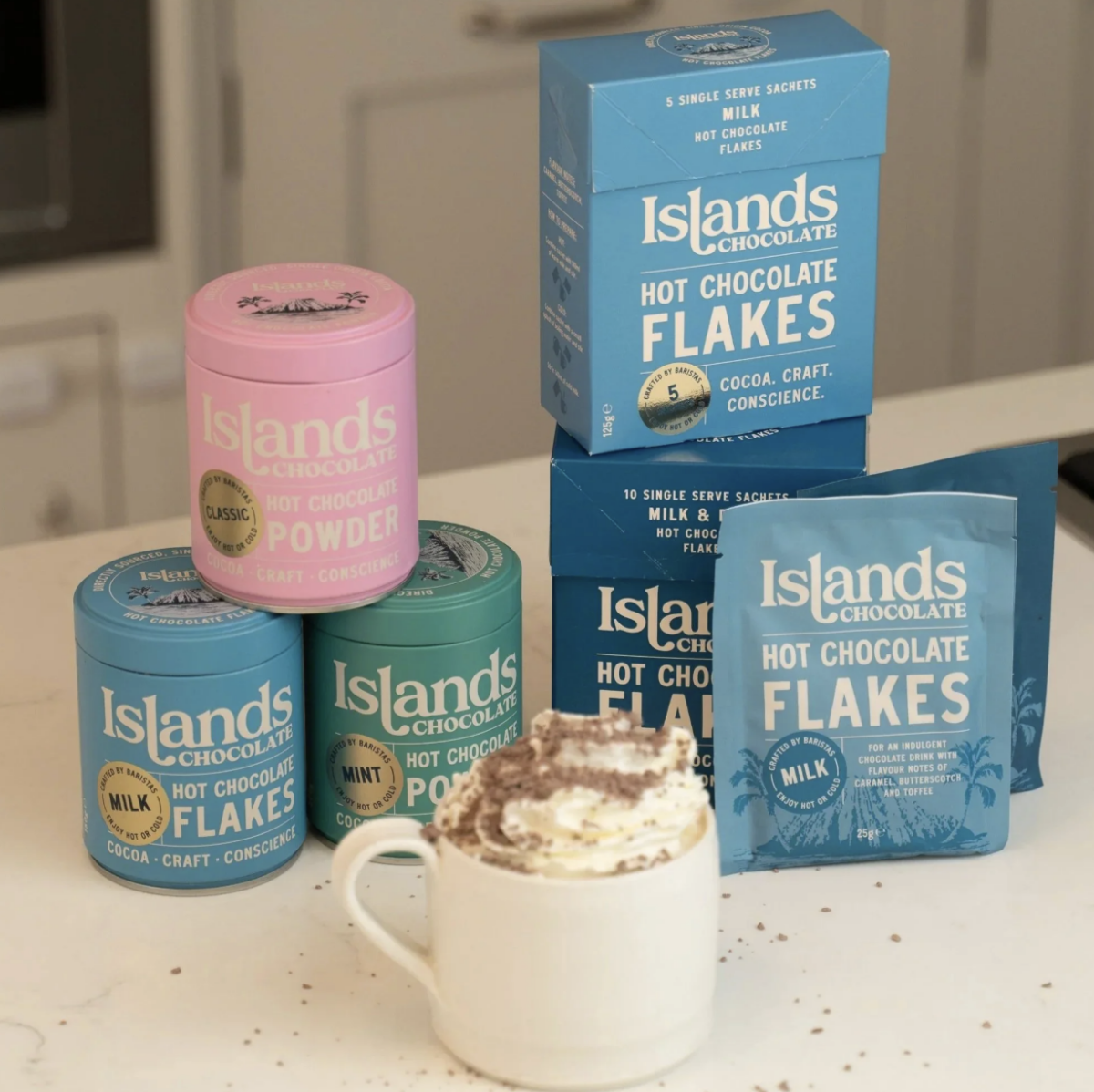
This combination of product protection, presentation and reusability is one of the reasons metal tins for food continue to be used across tea, coffee, confectionery, bakery and speciality food ranges.
For further information on the sustainability of steel packaging, visit:
You can also explore Tinplate’s custom packaging tins to see the different shapes, sizes and formats available for food and gifting products. Tinplate’s bespoke service includes existing tooling as well as fully custom packaging options.
Food-Safe Coatings and Lacquers
All tins supplied by Tinplate are finished with either a clear lacquer or a printed varnish. Both options are food safe and BPA-free.
Material data sheets are available on request, and additional testing can be arranged where required. If your product has specific regulatory or technical requirements, please discuss these with your account manager.
Selecting the right coating is an important part of choosing food-grade packaging materials, particularly where the contents have specific storage, acidity, moisture or shelf-life requirements.
Choosing the Right Size and Shape of Tin for Food Products
The ideal tin depends entirely on the product it contains and how consumers will use it. Different food storage tins offer different benefits, so size, closure, shape and internal specification should all be considered before selecting a format.
If you are still deciding on the right shape or size, Tinplate’s Tin Database allows you to browse existing tooling by shape, lid style and dimensions.
Tea and Coffee
Tea and coffee products often require a well-sealed lid to maintain freshness. Fine powders, such as matcha, may benefit from an airtight tin with a welded side seam.
For these products, tin packaging for food can also help protect the contents from light and external odours while creating a premium finish on the shelf.
Herbs and Spices
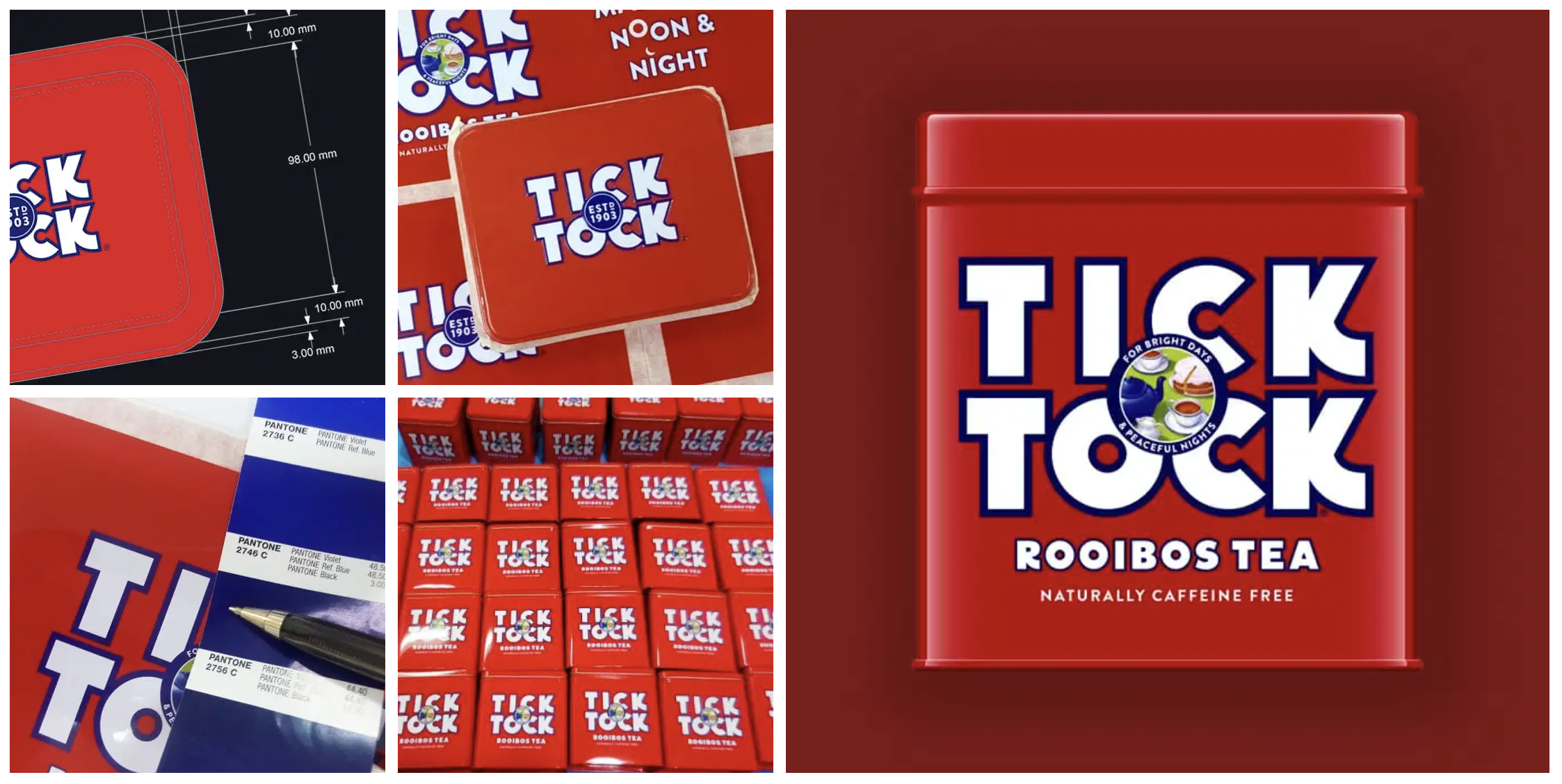
For spices and seasonings, you may wish to consider additional features such as shaker-hole inserts or dispensing lids.
Smaller food storage tins can work particularly well for these products, combining convenient dispensing with a format that can be reused once the original contents have been finished.
Luxury Chocolates and Confectionery
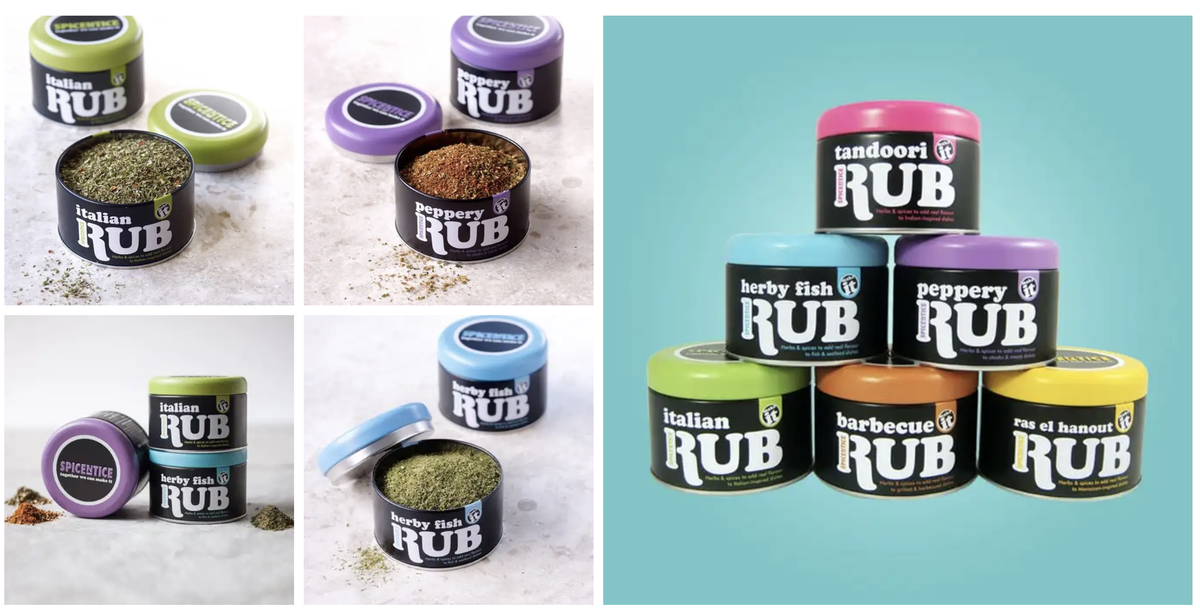
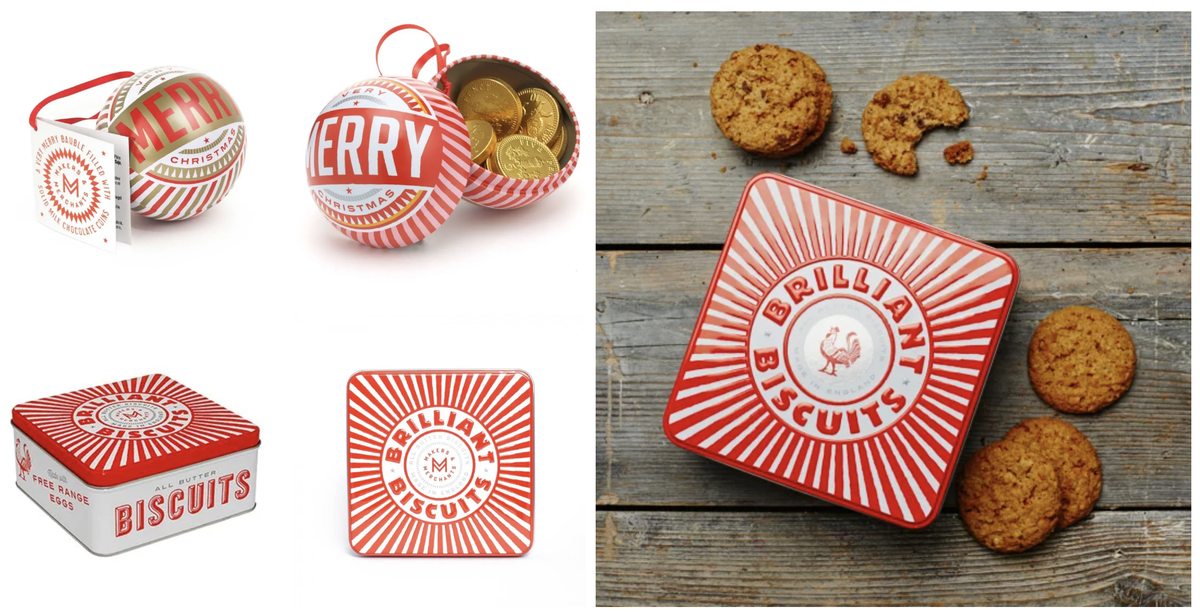
Premium chocolates are often best presented in a shallow tin that displays the contents in a single layer, enhancing the unboxing experience. Fun confectionery might benefit from a more unusual shaped tin, such as a heart or sweet shop design, to appeal to younger consumers.
Metal tins for food can be particularly effective in confectionery because they combine product protection with the premium, giftable presentation consumers often expect from these ranges.

Cakes and Baked Goods
Decorated cakes and special occasion products may benefit from a window in the lid, allowing consumers to view the product before purchase.
Larger food storage tins can also give baked products a reusable container after purchase, adding value beyond the initial packaging.
Where visibility is important, Tinplate also offers tins with clear lids, which can work particularly well for confectionery, food and gift products.
Retail Display Considerations
You should also consider practical questions, including:
- Will the tin fit efficiently on retail shelving?
- Does the product need to stack?
- How many servings or portions should the tin contain?
- Will the packaging be reused by consumers?
- Does the chosen closure provide the level of protection the food product requires?
- Will the food-grade packaging container need to withstand distribution, stacking or longer-term storage?
Whether you require a window lid, shaker insert or welded side seam, you can be confident that the materials used by Tinplate are food safe. If we are contract packing on your behalf, your products will also be packed within a certified food-safe environment.
Co-Packing Food Safety Requirements: BRCGS START
Choosing food-grade packaging is only part of the process. To maintain product safety, food must also be packed, handled and stored under appropriate conditions.
We are delighted to announce that Tinplate has achieved BRCGS START certification.
The BRCGS START programme is a globally recognised food safety development programme designed to help businesses build robust systems, increase customer confidence and demonstrate a commitment to high standards of quality and safety.
Certification provides our clients with confidence that we have the policies, procedures and controls in place to safely handle food products and deliver high-quality contract packing services.
For businesses sourcing food-grade packaging containers alongside a co-packing service, this provides additional reassurance that both the packaging and handling processes are being considered as part of wider food safety requirements.
Achieving this certification allows us to support a wider range of customers while maintaining:
- Full traceability and process control
- Hygienic and sanitised working conditions
- Robust Good Manufacturing Practices (GMP)
- Consistent quality and food safety standards
Learn more about the BRCGS START programme here:
Tinplate also offers contract packing support alongside its packaging services, enabling food-safe packing, fulfilment and ready-to-retail presentation under one roof.
Conclusion
Selecting the right packaging for food products involves much more than choosing an attractive container. Businesses must consider food safety, material suitability, shelf-life requirements, product presentation and the conditions in which products are packed and handled.
Food-grade packaging materials need to be suitable for the product itself, while the finished packaging format must also work practically throughout storage, distribution and use.
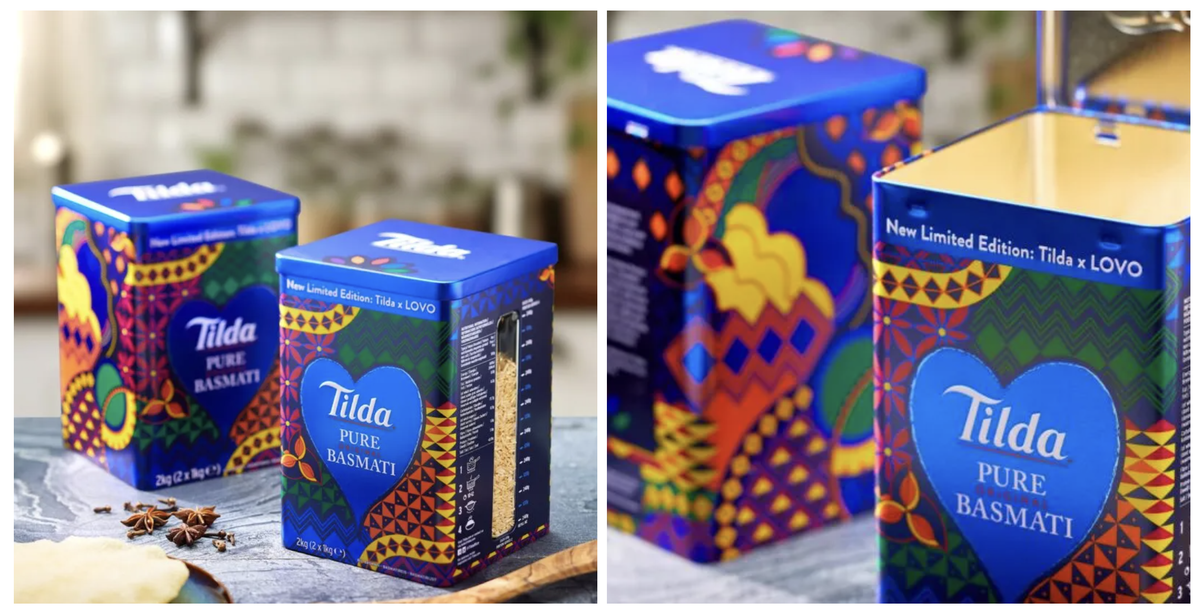
Tin packaging for food offers an ideal combination of practicality and premium appeal. Its excellent barrier properties, durability and recyclability make it a trusted choice for a wide range of food products, from tea and coffee to confectionery and speciality foods.
Food storage tins can also provide additional value after purchase, as many consumers keep and reuse them rather than treating them as disposable packaging.
By combining food-safe materials with certified co-packing processes, businesses can ensure their products reach consumers in packaging that protects both quality and safety.
Speak to the Tinplate Team
Whether you’re launching a new food product, reviewing your current packaging, or looking for a trusted co-packing partner, our account managers are here to help.
From selecting the right tin shape and closure to advising on food-grade packaging materials, food-safe coatings and contract packing requirements, we can guide you through every stage of the process.
Get in touch with Tinplate today to discuss your packaging requirements and discover how our custom packaging tins, food storage tins and BRCGS START-certified contract packing services can help bring your products to market with confidence.
Frequently Asked Questions
Food grade refers to the materials used in the packaging and confirms they are suitable for contact with food. Food safe goes a step further and considers the whole process, including storage conditions, handling procedures and whether the packaging is being used appropriately for the intended product.
Metal tins for food are particularly well suited to dry food products such as tea, coffee, biscuits, confectionery, powders, supplements, herbs and spices. They can also be suitable for products that need protection from light and air. The suitability of an individual tin will depend on the food product, internal coating, closure and intended storage conditions.
To determine whether a tin is food safe, you need to consider the type of food being stored, the storage conditions and temperature, the internal coating or lacquer used, and whether the packaging complies with relevant food-contact regulations. If you are unsure whether a particular food storage tin is suitable, Tinplate can discuss the product requirements and advise on the available materials and specifications.
Food-grade packaging containers are containers manufactured from materials considered suitable for food contact when used in the correct conditions. The appropriate container will depend on the food itself, how it will be stored, and the level of protection required. Metal tins can provide one option for brands looking for durable food-grade packaging containers with strong barrier properties and premium presentation.
Common food-grade packaging materials include metal, glass, paper, board and certain plastics. Each material has different properties, so businesses need to consider factors such as moisture, oxygen, light, temperature and storage requirements before choosing a packaging format.
Food storage tins are durable, reusable and recyclable. As well as helping protect the food inside, they can be retained by consumers for storage after the original product has been used, giving the packaging a much longer useful life.
Choose a co-packing partner that holds recognised food safety certifications, such as BRCGS START. Certification demonstrates that appropriate policies, procedures and controls are in place to safely handle food products and maintain consistent standards. Tinplate’s contract packing services can support businesses looking to combine suitable food packaging with a controlled packing environment.
Yes. Tinplate can support businesses with tin packaging for food as well as contract packing services, helping clients consider the packaging format, food-safe coatings and packing environment as part of the same project.
