


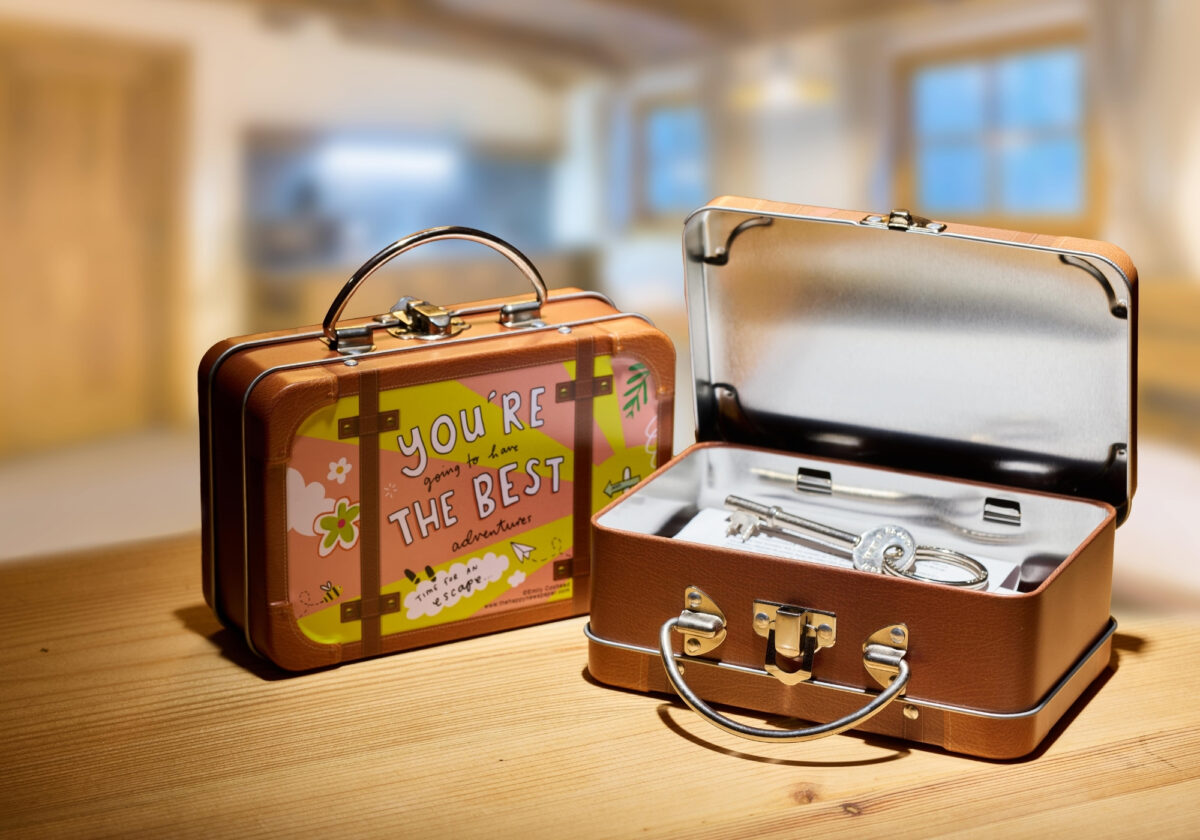
We will explore why so many companies are choosing to move away from packaging such as cardboard, plastic and glass, and are instead opting for tinplate to protect and showcase their products.
Protection and Durability
Tinplate is a strong, reliable material that provides a robust protective barrier against light, moisture, and aromas, according to Metal Packaging Europe. Making it an excellent choice for food, drink, and beauty products.
Unlike glass, tinplate is not fragile or breakable, and unlike cardboard, it won’t be easily crushed, making it a great protector and perfect for reuse.
If extended shelf life is particularly important for your product, Tinplate can also supply airtight tins with peelable membranes to keep items such as coffee, chai, or matcha fresh for longer periods.
For more information, see our blog on our new packaging development.
Environmental Sustainability
Sustainable packaging has become a key brand expectation. Tinplate supports this shift by offering an environmentally responsible solution instead of single use plastic.
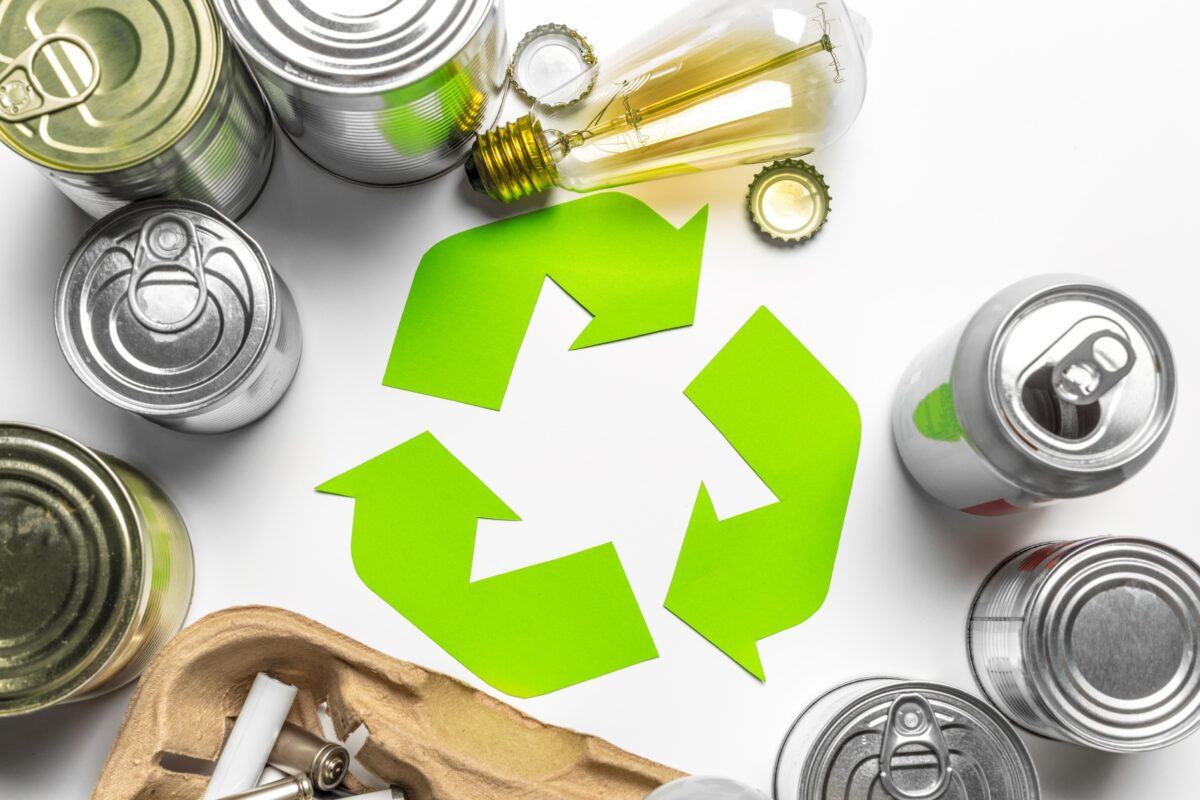
Tinplate is infinitely recyclable, and steel packaging has a recycling rate of over 80% in Europe, according to Sustainability Online. This makes it one of the most recycled materials globally. Widely accepted through curbside recycling, consumers have a simple, hassle-free way to dispose of packaging responsibly. The World of Steel Association reports tinplate won’t lose any material quality when recycled, describing it as a permanent material, able to be used infinitely throughout it’s lifespan.
Before it reaches recycling, however, a beautifully designed tin will be kept and repurposed around the home, for storage, decoration, or gifting, helping reinforce brand visibility and customer loyalty.
Branding and Customisation
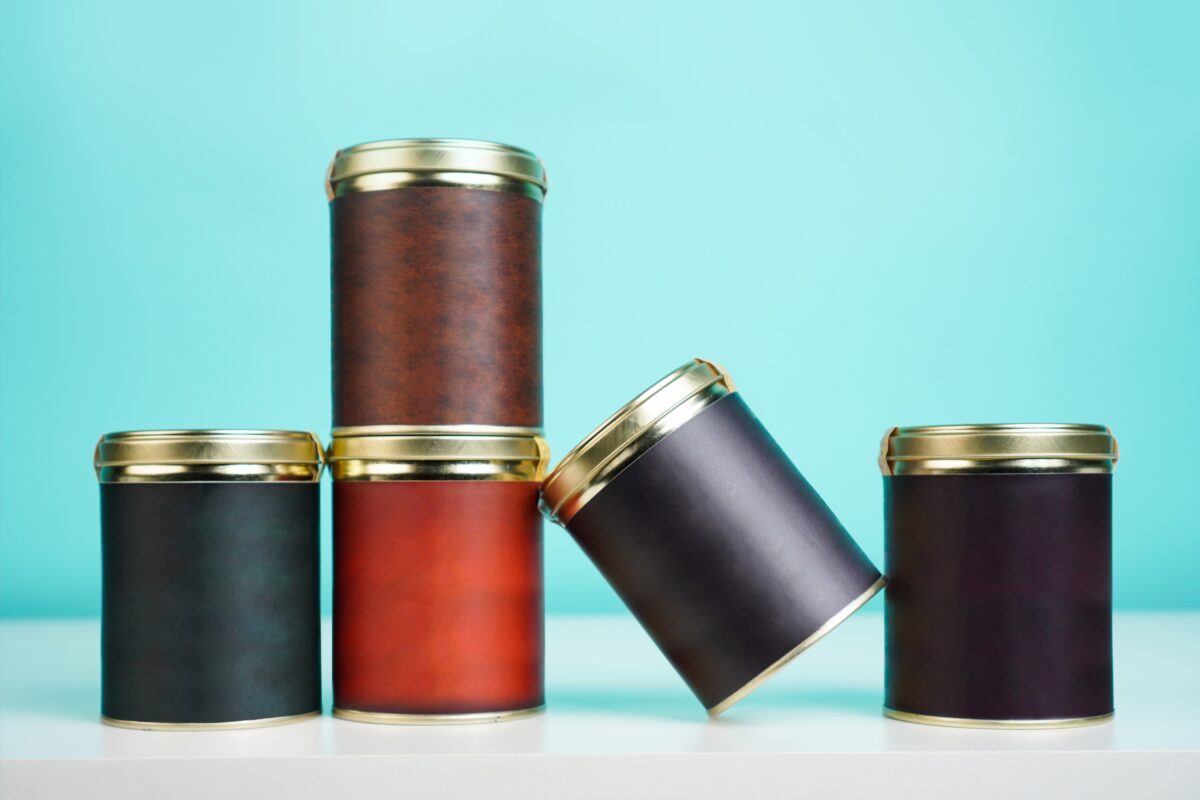
Tinplate provides a premium look and feel; ideal for brands needing packaging that elevates their product. Whether your style is clean and minimalist or bold and playful, tinplate can capture it beautifully; especially with tactile finishes such as embossing, metallic details, spot gloss, or soft-touch varnishes.
Tins are nostalgic, creating an emotional connection with the consumer that is often missing with cardboard or plastic packaging options. A great example is the iconic Lyle’s Golden Syrup tin, the longest unchanged brand packaging. The association is so strong that when they recently rebranded they only used the new logo on the plastic bottles and alternative packaging, the tin remained with the same logo from the 1800’s.
Glass can also offer a premium feel but comes with fewer shape options and increased fragility. Cardboard sizes are very flexible and can deliver attractive finishes but is more prone to damage and less likely to be reused in the home.
With thousands of tin shapes and sizes already available, it’s easy to find a size and shape that suits both your product and your branding, but if nothing existing is already available we are able to develop new custom tooling to match your vision perfectly.

Switching to Tinplate Packaging
When first launching a product, you may need to prioritise flexibility and lower MOQs over durability or customisation. However, once you’ve established your brand and supported it with a loyal customer base, it’s the perfect time to reassess your packaging and elevate it with tinplate.
Speak to the Tinplate team about switching your packaging material to not only strengthen your brand presence, but also improve product protection, sustainability, and customer appeal.
